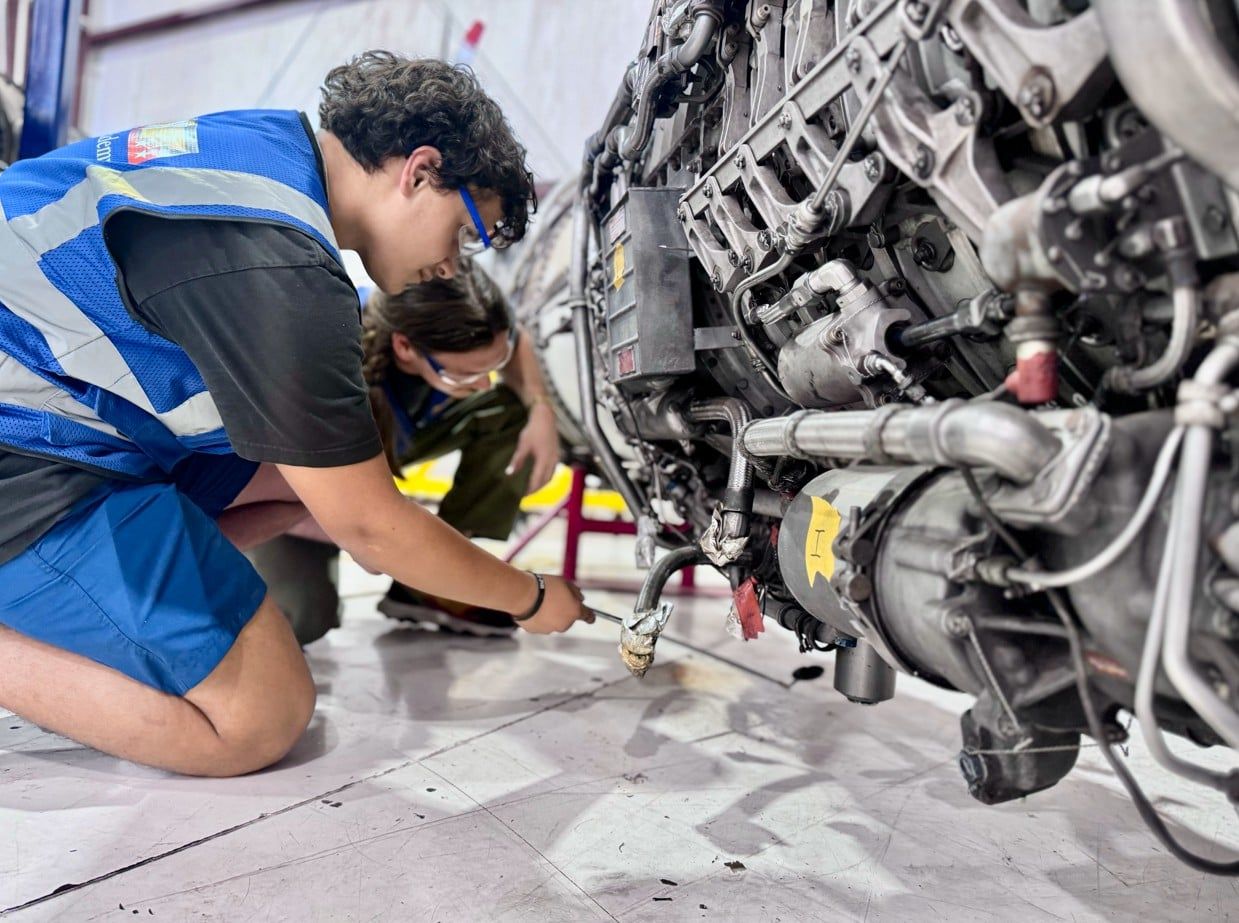
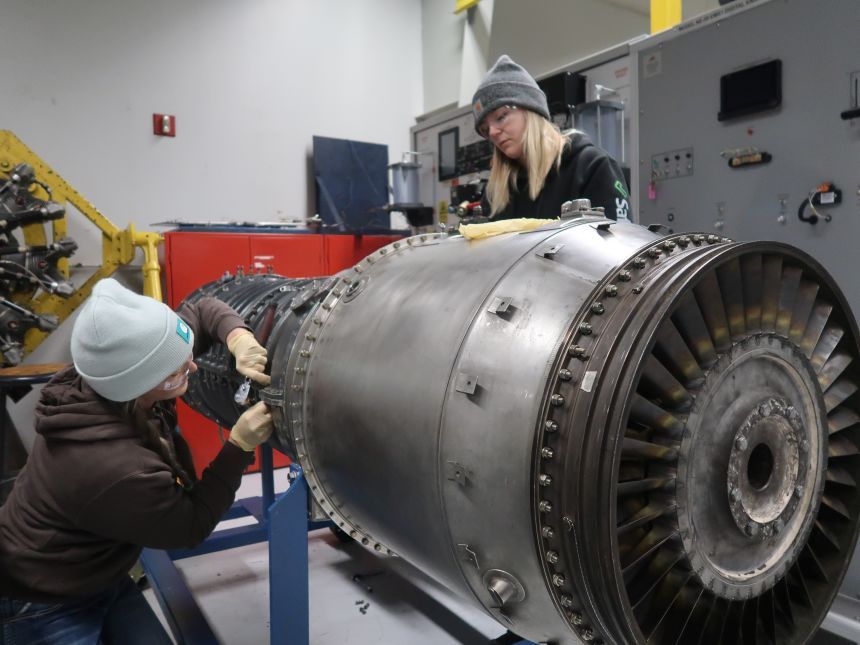
The FAA-certified aircraft mechanic shortage is reshaping how airlines, cargo operators, and MRO providers recruit and develop maintenance talent. Years of data show the number of newly certificated technicians entering the workforce each year cannot offset the volume of retirements and expanding maintenance requirements across the commercial aviation fleet.
MROs report growing backlogs as airlines operate higher utilization schedules than at any point before the pandemic. Fleets are aging while simultaneously becoming more technologically complex. A large share of the current maintenance workforce is approaching retirement age, with 27 percent of certified mechanics in North America now over 64. The labor market strongly favors qualified technicians -- and compensation reflects it.
Entry-level technicians secure employment quickly after certification. Experienced airline mechanics regularly reach six-figure annual compensation through base pay, overtime, shift differentials, and seniority accumulation. In major airline hubs, competition for licensed Airframe and Powerplant mechanics has pushed wages sharply higher, particularly for those with turbine or avionics experience.
Training timelines now serve as a critical differentiator. Traditional community college aviation maintenance programs require two years or longer to complete. Accelerated FAA-approved programs that achieve A&P certification in eight months allow students to enter the workforce 16 months earlier. At conservative early-career earnings of $60,000 annually, that gap represents roughly $80,000 in potential income before a longer-track graduate starts working.
Some programs have pushed the model further. US Aviation Academy, operating four FAA-approved campuses across Texas, Georgia, and Minnesota, reports that more than 70 percent of students earn either their Airframe or Powerplant certificate before graduation -- allowing them to secure paid maintenance positions prior to completing the full program.
The pipeline problem has no simple fix. The U.S. had approximately 700 Designated Maintenance Examiners before the COVID-19 pandemic. That number dropped to 67 post-pandemic, creating certification bottlenecks that slow even motivated candidates from reaching the workforce. Airlines and MROs are pressing for regulatory reforms that would expand the DME pool and reduce processing delays.
Boeing projects demand for 710,000 new technicians globally through 2044. MRO providers that build structured onboarding programs, invest in apprenticeship models, and capture institutional knowledge from retiring technicians will hold a significant competitive advantage.
Source: Aviation Week Network, February 11, 2026