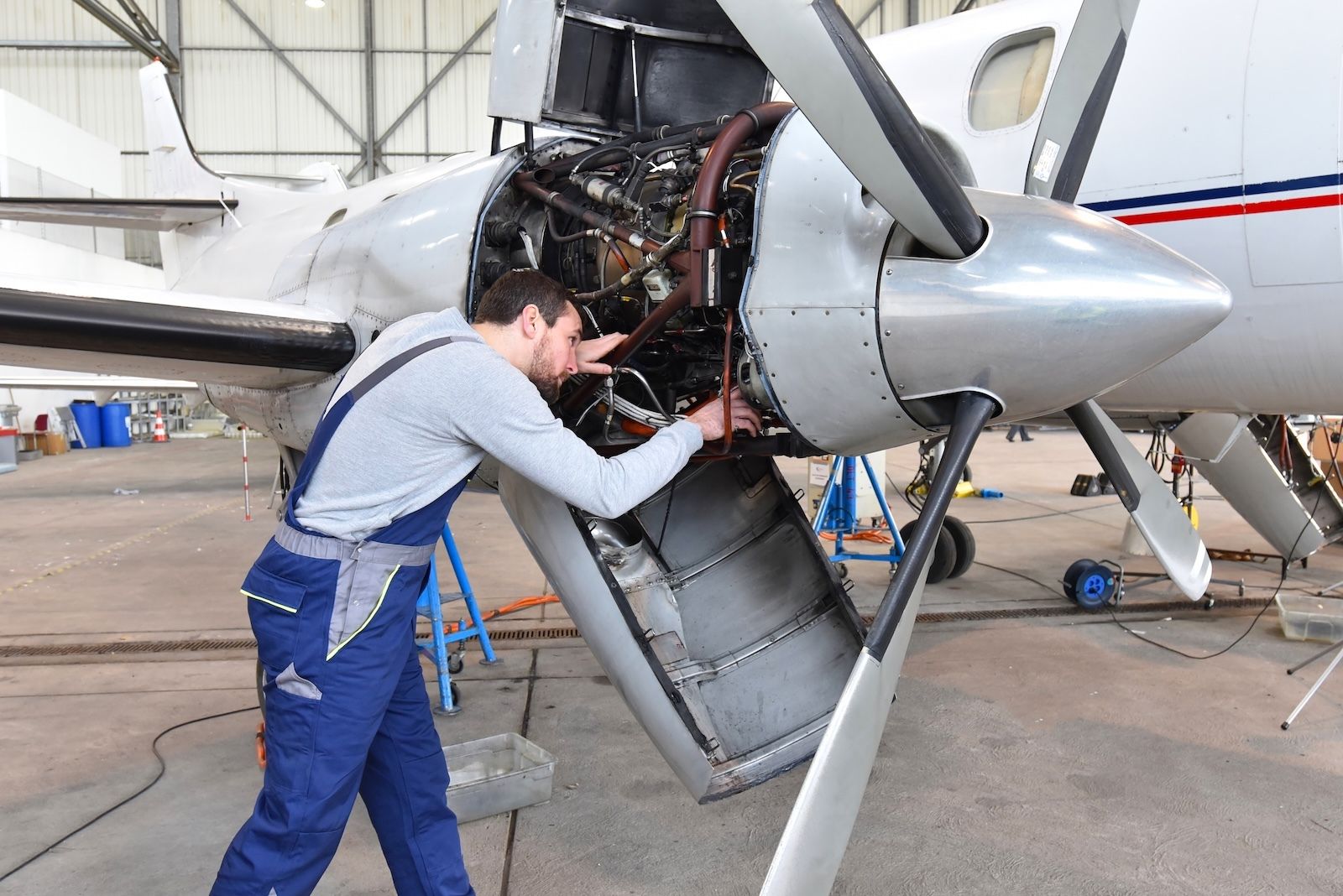
A worldwide shortage of aircraft mechanics is forcing airlines to keep planes on the ground longer, reduce flight schedules, and pass higher maintenance costs to passengers. Consulting firm Oliver Wyman released data in February 2026 showing North America is currently short 17,000 aviation maintenance technicians, with the deficit projected to peak at 30,000 by 2028.
The crisis traces back to two major workforce disruptions. After the September 11, 2001 attacks, airlines cut hiring for years, creating a "lost generation" of mechanics who never entered the field. The COVID-19 pandemic then pushed thousands of experienced technicians out of the industry entirely. At the same time, fewer veterans -- once a reliable pipeline into civilian aviation maintenance -- are transitioning to commercial MRO work.
Brian Prentice, a partner at Oliver Wyman's transportation and operations practice, called the situation "a perfect storm." "Aircraft are flying longer, demand for travel is high, and we're losing experienced technicians at the same time," Prentice said.
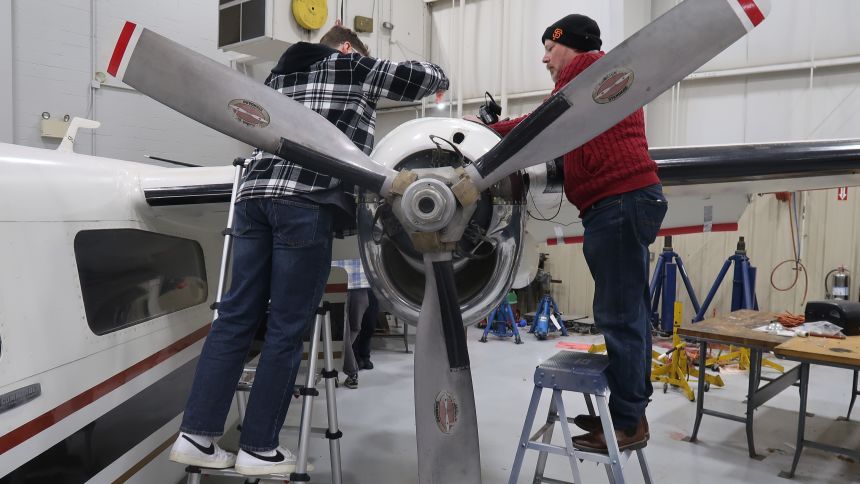
Schools are responding. Cincinnati State Technical and Community College in Ohio has grown its aviation maintenance program to 185 students and plans to expand capacity to 350. Employers are already recruiting from the program before graduation, with instructors reporting that airlines arrive and tell students "we will take every one of you when you get your license."
Entry-level wages in the Ohio region now approach $28 to $30 per hour -- well above what many trades offer without a four-year degree. Students describe the shortage as the strongest selling point for the career. "To me, it's job security," said Taylor Hill, a first-year student who left an Amazon logistics role after finding the aviation program at a career fair. "We're always going to need mechanics."
The shortage affects more than hiring. Airlines are keeping jets in service longer, increasing maintenance workloads on a workforce already stretched thin. The result: longer turnaround times, fewer available aircraft, and reduced scheduled capacity at a time when travel demand remains high.
Boeing's 2025 Pilot and Technician Outlook projects demand for 710,000 new maintenance technicians globally over the next two decades. The industry has no realistic path to closing that gap without a significant overhaul of how it recruits and trains the next generation of aviation maintenance professionals.
Source: CNN, February 27, 2026