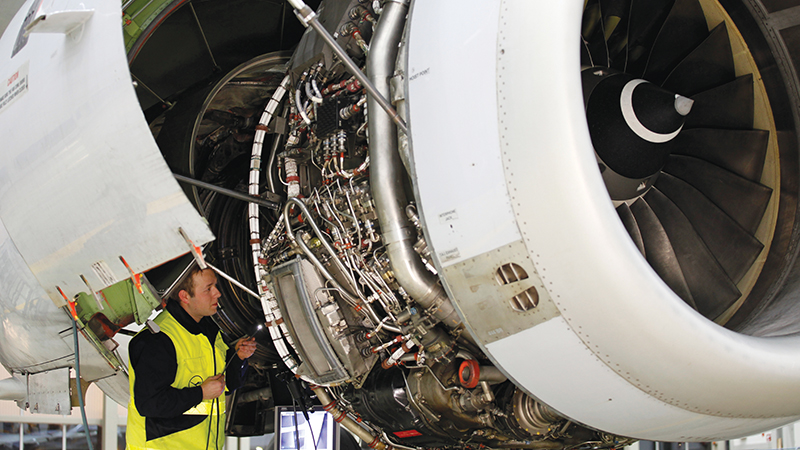
The aviation maintenance, repair, and overhaul sector heads into 2026 with strengthening demand, even as labor and supply chain pressures shape how the work gets done. Analysts project the broader MRO market will reach roughly 97 billion dollars in 2026, up from about 91 billion dollars in 2025, with engine work drawing an outsized share of spending.
An aging global fleet is a central driver. Carriers are keeping older aircraft in service longer, which increases the frequency and complexity of scheduled maintenance and feeds a sustained run of aftermarket activity. Aviation Week projects commercial aftermarket MRO demand will grow at a compound annual rate of 3.2 percent between 2026 and 2035.
Workforce constraints remain the industry's most pressing challenge. The sector faces a global shortfall approaching 20,000 certified maintenance technicians, and in North America nearly 30 percent of the current workforce is over the age of 60, raising the prospect of accelerating retirements. Supply chain disruption has lengthened lead times and raised costs for spare parts.
Technology is reshaping the shop floor in response. Additive manufacturing has moved from prototyping into production of certified components, ranging from cabin fittings to structural parts. Operators are also maturing predictive maintenance with artificial intelligence and connected sensors, while larger MRO hubs test robotics and cloud based digital systems. The FAA has supported the shift through certification and digital maintenance initiatives intended to streamline compliance and improve efficiency across the network.
Source: Aviation Week Network - https://aviationweek.com/mro/supply-chain/early-2026-outlook-shows-mro-market-momentum-increasing