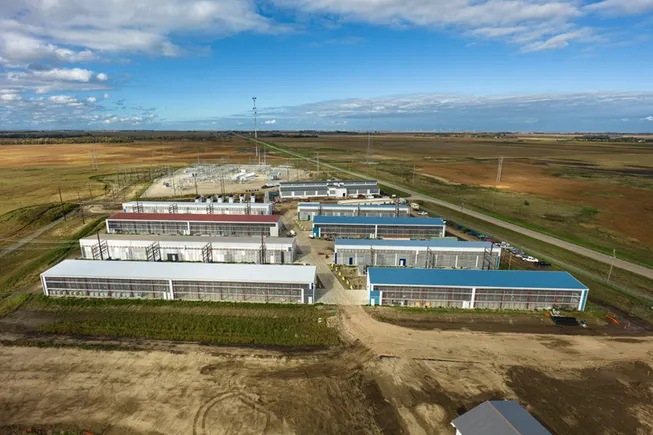
Rapid growth in AI data center construction is upending how US utilities forecast and plan for electricity demand, according to industry reporting. Large computing campuses can request hundreds of megawatts at a single site, a scale that strains traditional load forecasting models built around slower, more predictable growth from homes and conventional businesses.
The pressure is showing up in reliability assessments. The North American Electric Reliability Corporation has warned of elevated risk of summer electricity shortfalls across major grid regions, including the PJM, MISO, and ERCOT markets, as data center load climbs faster than new generation and transmission come online. Forecasts point to US data center demand reaching roughly 75.8 gigawatts in 2026 for hyperscale facilities alone, with a pipeline of new requests stretching well beyond that through 2030.
Utilities face a timing mismatch. Building new power plants, substations, and transmission lines can take years, while data center developers often want to energize sites within months. That gap has pushed some operators toward on-site generation, including natural gas turbines and battery storage, to secure power without waiting for grid upgrades. Regulators and grid operators are revisiting interconnection rules and cost-allocation policies to manage the influx.
The shift carries cost implications for other ratepayers. As utilities invest to serve concentrated data center load, questions arise over who pays for the upgrades and how to protect residential and commercial customers from higher bills. Several states have opened proceedings to address large-load tariffs and ensure that data centers cover the cost of the infrastructure they require, a debate that is reshaping utility planning nationwide.
Source: Utility Dive - https://www.utilitydive.com/news/ai-data-centers-utility-load-planning/816806/