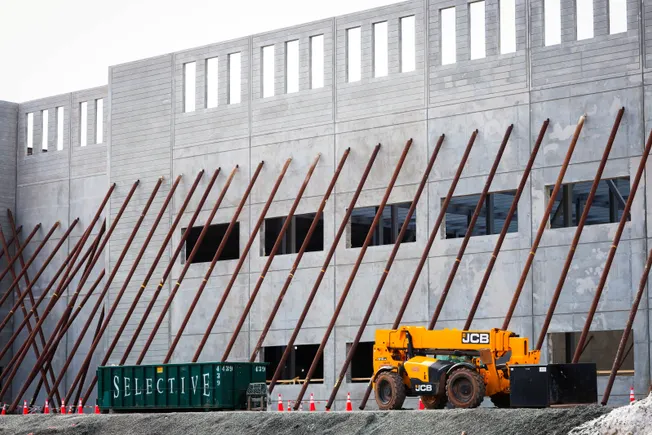
The United States will need more than 230 gigawatts of new electric generating capacity over the next five years, but regulated utilities are on pace to add only about 93 gigawatts of accredited supply, leaving a gap exceeding 100 gigawatts, according to Bank of America analysts cited by Utility Dive. Data centers alone could account for roughly 125 gigawatts of new U.S. electric load over that period, pushing overall electricity demand growth to a 4.1% compound annual rate from 2026 through 2030.
With large gas turbines largely sold out through 2030, the analysts expect data center developers to lean more heavily on on-site gas engines while utilities extend the operating life of coal plants, add battery storage and pursue transmission upgrades. More than 7.5 gigawatts of data center projects with on-site generation are already under construction, with over 60 gigawatts more in pre-construction planning, the report found.
The analysts noted utilities have raised their demand forecasts in each of the past three years as AI-driven electricity use has grown faster than expected. Coal plants in Maryland, Wisconsin, Indiana, Utah, Kansas, Nebraska and Mississippi have had retirement dates delayed or canceled to preserve dispatchable capacity, the report said. Natural gas reciprocating engines, which can be deployed faster than large turbines, are drawing rising interest from manufacturers including Caterpillar, INNIO, Rolls-Royce and Wartsila.
Transmission expansion could also help close the gap, though the analysts cautioned such projects often take years to permit and build, citing the Champlain Hudson Power Express line, which took 16 years from planning to energization. The market is no longer constrained by demand, it is constrained by where power can actually be delivered, the analysts wrote.
Source: Utility Dive - https://www.utilitydive.com/news/ai-data-center-growth-utilities-generation-plans/825541/