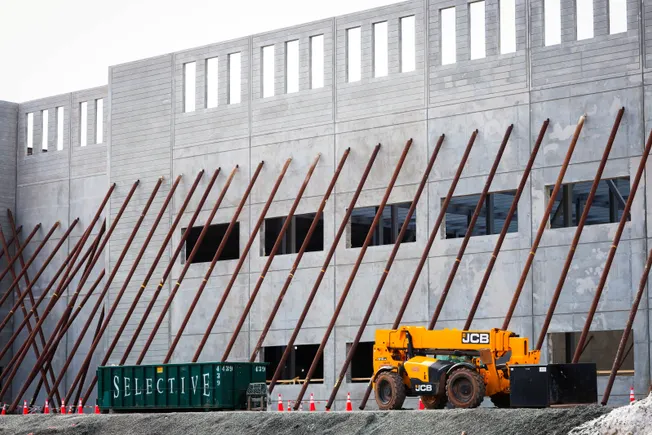
Rapid growth in AI data center electricity demand is pushing US utilities to reconsider their long-term generation plans, according to analysis cited from Bank of America. The scale of new large loads has moved faster than many utility planning cycles anticipated, forcing companies to weigh new capacity additions and grid upgrades to keep pace.
Federal and state regulators have begun responding. The Federal Energy Regulatory Commission issued show-cause orders to the six largest US grid operators, directing them to defend or rewrite interconnection rules for large loads and setting a deadline for markets to define processes for handling gigawatt-scale requests. The action targets a bottleneck that has slowed how quickly major computing campuses can connect to the grid.
Cost pressures are already reaching consumers. PJM, the largest US grid operator, projected a $6.3 billion increase in consumer electricity costs over the next three years, attributing most of that rise to increased data center power demand. Separate reporting placed the cumulative consumer cost impact from data centers at roughly $23 billion to date.
Some states are moving to recover costs directly from operators. Virginia established a consumption tax of $0.011 per kilowatt-hour on all electricity used by data centers beginning July 1, 2026. The combination of regulatory action, new generation planning, and cost-recovery measures reflects how large-load growth is reshaping utility strategy across the country as grids adapt to concentrated demand from computing campuses.
Source: Utility Dive - https://www.utilitydive.com/news/ai-data-center-growth-utilities-generation-plans/825541/