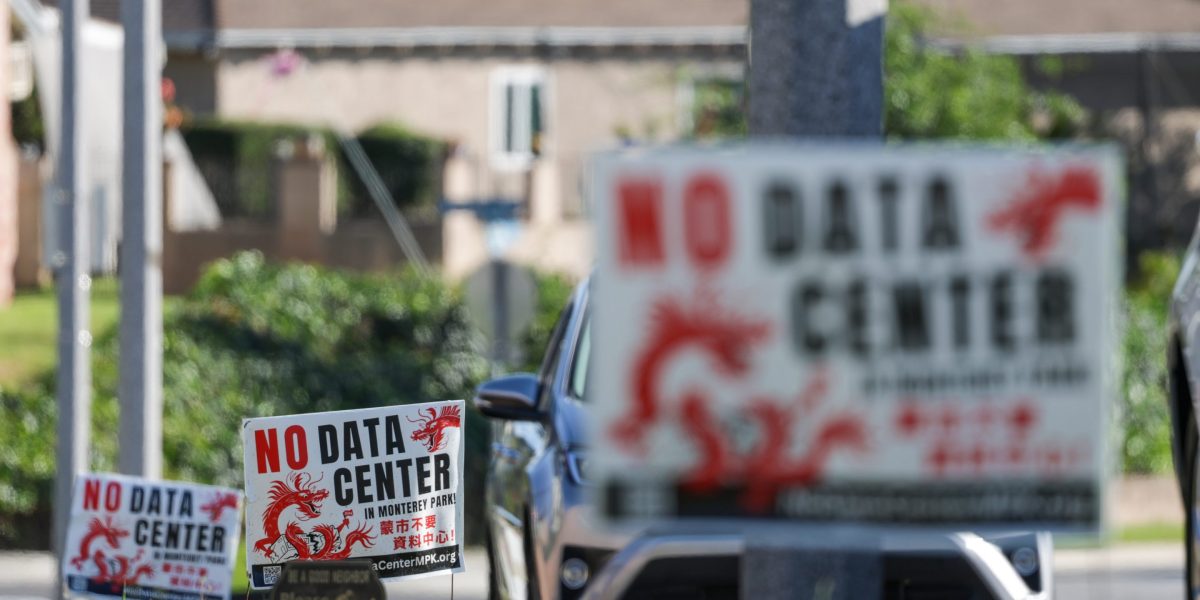
Data centers accounted for roughly half of the growth in US electricity demand over the past year, placing new strain on the power grid and pushing utilities to rethink long term planning. More than 4,500 active data center facilities now consume about 176 terawatt hours annually, close to 4.4 percent of US electricity, with over 700 more under construction across 38 states.
The near term trajectory is steep. US data center demand is expected to rise to about 75.8 gigawatts for computing, cooling, and related uses in 2026, then expand to 108 gigawatts in 2028 and 134.4 gigawatts in 2030. Total US generation is projected to reach 4,400 terawatt hours in 2026 and could climb to 5,200 terawatt hours by 2030, a pace of growth not seen since the 1980s.
Utilities are revising forecasts sharply upward. Analysis from Grid Strategies found that combined five year future summer peak demand forecasts published by utilities jumped from 38 gigawatts in 2023 to 128 gigawatts in 2024. The Federal Reserve Bank of Dallas estimates that if data center demand doubles over the next five years, wholesale power prices could rise by as much as 50 percent.
States are beginning to respond. Ohio regulators directed a utility to file new tariffs specific to data centers, making large customers responsible for at least 85 percent of the energy capacity they reserve regardless of actual use. Lawmakers in several states are weighing similar measures as affordability concerns rise.
Source: Fortune - https://fortune.com/2026/04/20/us-data-center-electricity-demand-public-opinion/