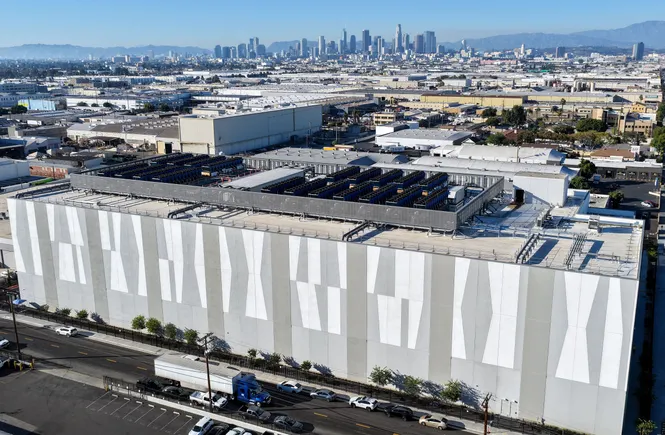
The electricity needed to run US data centers is on a path that is straining utility planning and grid reliability, according to power sector forecasts. BloombergNEF analysis cited by Utility Dive projects that US data center power demand could reach 106 gigawatts by 2035, a level that would require a substantial buildout of generation and transmission.
The near term picture is already pressuring the system. US data center demand is expected to rise to about 75.8 gigawatts in 2026 for information technology equipment, cooling, lighting, and related uses, with the boom driving aggressive load growth estimates from many electric utilities. Overall US power generation is forecast to reach roughly 4,400 terawatt-hours by 2026, with the potential to climb toward 5,200 terawatt-hours by 2030, an increase of nearly 24 percent from 2023. Analysts describe load growth at this pace as unprecedented since the 1980s.
Grid operators have flagged the risk. The North American Electric Reliability Corporation warned of elevated risk of summer electricity shortfalls in 2026 and beyond in the PJM, MISO, and ERCOT regions. Aging transmission infrastructure compounds the challenge, and regulators face a backlog of interconnection requests as developers race to connect new load and generation.
Uncertainty remains over the precise pace of data center demand, the resources required to serve it, and the role of large scale onsite power. Utilities are weighing new generation, including natural gas and nuclear, alongside grid upgrades to keep pace with the projected growth while maintaining reliability for existing customers.
Source: Utility Dive - https://www.utilitydive.com/news/us-data-center-power-demand-could-reach-106-gw-by-2035-bloombergnef/806972/