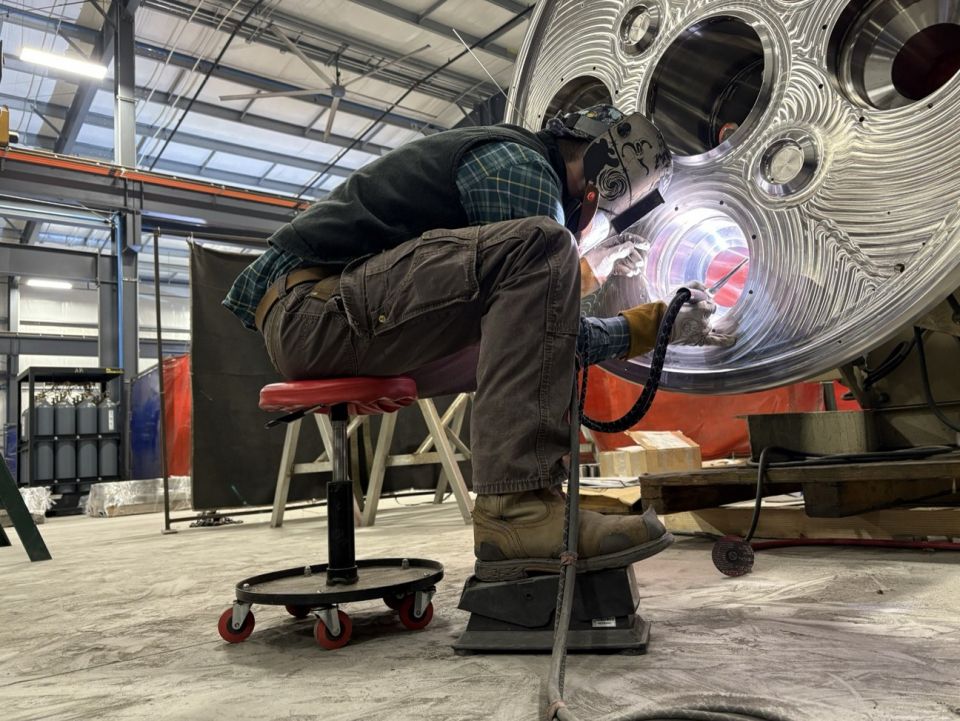
A team from Idaho National Laboratory presented lessons learned from development and fabrication of the MARVEL microreactor at the American Nuclear Society's Annual Conference in Denver on June 1. The 10-to-15-kilowatt-electric microreactor, standing for Microreactor Applications Research Validation and Evaluation, represents the first reactor developed by the Department of Energy in more than 50 years and targets dry criticality in December 2026.
INL program manager John Jackson described the MARVEL project as a pathfinder for commercial microreactor companies, designed to generate operational data on the unique challenges of small-scale nuclear systems that use sodium-potassium natural circulation cooling. The reactor incorporates modified TRIGA fuel elements and is designed for a two-year operational life.
Fabrication presented unexpected challenges across multiple subsystems. The reactor's small size required machining tolerances of 0.0005 inches in fuel core components, approximately 1.5 times the diameter of a red blood cell. A combined TIG and MIG welding process was developed to maintain structural integrity without surface distortion. Beryllium oxide reflector components required design allowances for machining-induced cracks and chips.
The Stirling engine power conversion system, intended as a drop-in electricity generation component, required significant engineering intervention after vibration testing showed the engines mounted to the reactor caused unacceptable structural loads. The team redesigned the system with decoupled heat exchangers and rubber vibration mitigation to separate the engines from the reactor structure.
The MARVEL team submitted its dry criticality safety analysis in May and plans to begin reactor assembly in August with fuel delivery targeted for October.
Source: ANS Nuclear Newswire -- https://www.ans.org/news/2026-06-08/article-8101/marvel-team-shares-lessons-learned-through-microreactor-development/