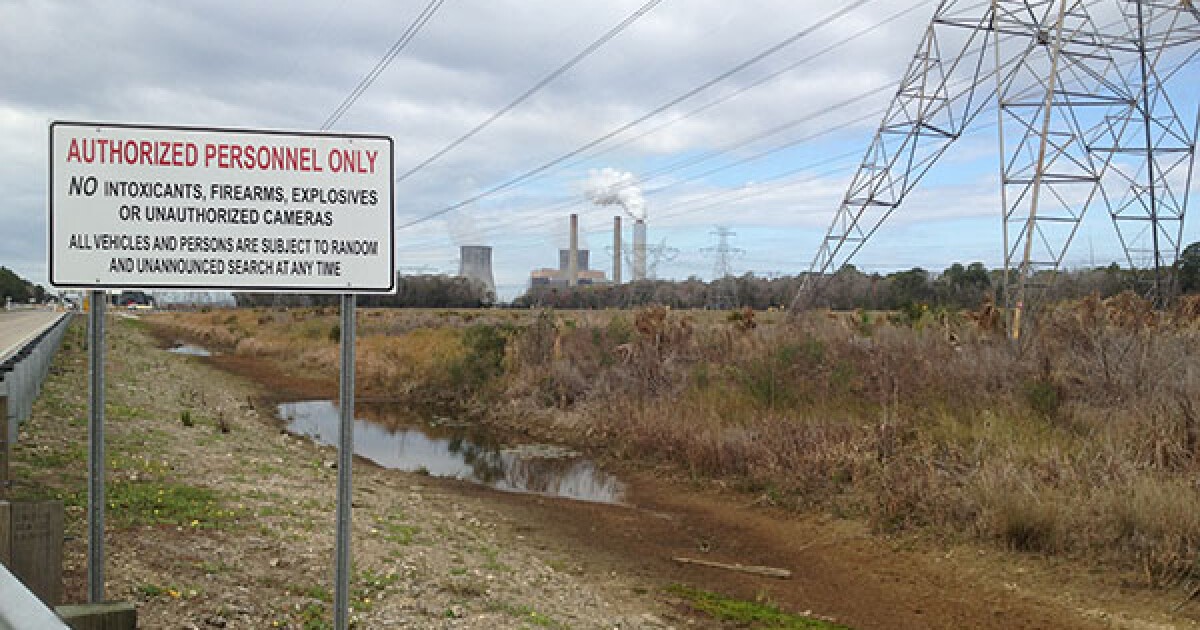
Nuclear power is gaining renewed momentum in Florida and across the Southeast United States as the aging electrical grid comes under strain from the power demands of artificial intelligence infrastructure. Florida utilities are among those evaluating nuclear options as data centers, electric vehicles, and industrial electrification push load growth beyond what existing generation capacity can reliably serve.
The broader national picture reinforces the case for nuclear. The US has 94 licensed nuclear reactors currently operating, generating close to 20 percent of the nation's electricity. BloombergNEF projects approximately 15 reactors will come online in 2026, adding close to 12 gigawatts of new capacity. For the first time in US regulatory history, the Nuclear Regulatory Commission approved the restart of a previously shuttered reactor, Holtec's Palisades plant in Michigan, which is scheduled to return to service later this year.
Data center operators are among the most active drivers of new nuclear demand, given that nuclear provides the 24/7, high-density power that renewable energy and battery storage systems cannot reliably deliver for AI workloads. Meta announced agreements with Vistra, TerraPower, and Oklo in January 2026 that are expected to provide up to 6.6 gigawatts of new and existing nuclear capacity by 2035, making Meta one of the largest corporate purchasers of nuclear energy in American history.
The combination of AI demand, aging grid infrastructure, and growing corporate commitments to nuclear power is reshaping utility planning horizons in Florida and across the Southeast.
Source: WUFT -- https://www.wuft.org/2026-05-21/nuclear-power-appears-poised-for-a-comeback-heres-what-that-means-for-florida