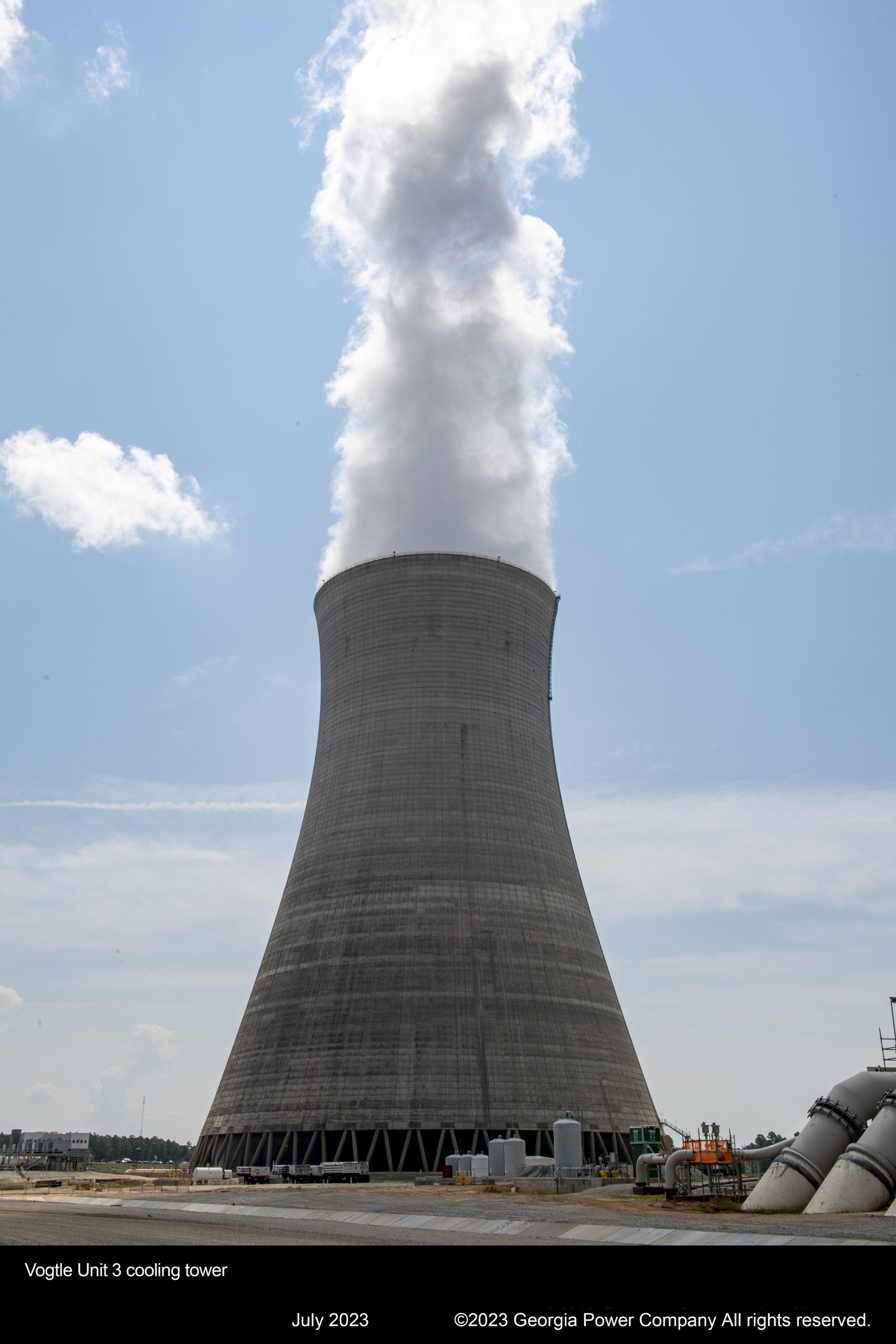
Two years after Georgia Power completed Units 3 and 4 at Plant Vogtle, the $35 billion project remains the central reference point in the modern nuclear debate. Residential electricity rates in Georgia rose more than 20 percent during construction, while total generating capacity grew by only approximately 7 percent.
Both units are operating and producing carbon-free electricity. Advocates point to the 60-year expected operating life of the units as evidence that the capital investment, while significant in the near term, delivers long-term value to ratepayers and grid decarbonization goals.
The performance record is more complicated than proponents hoped. Units 3 and 4 are producing below the output levels of the older Vogtle units built in the 1980s, drawing scrutiny from state regulators and consumer advocates tracking the rate impact on Georgia households.
The financial fallout extends beyond Georgia. Twelve or more states actively considering nuclear expansion programs have adjusted their evaluations after watching the Vogtle cost overruns and timeline delays play out in public. Some are scaling back plans for conventional large-reactor builds and pivoting toward small modular reactor designs that carry different risk profiles.
The $35 billion final cost has become a benchmark number in utility boardrooms across the country, cited both by opponents seeking to block new projects and by developers arguing that lessons from Vogtle create a pathway to lower costs on subsequent builds.