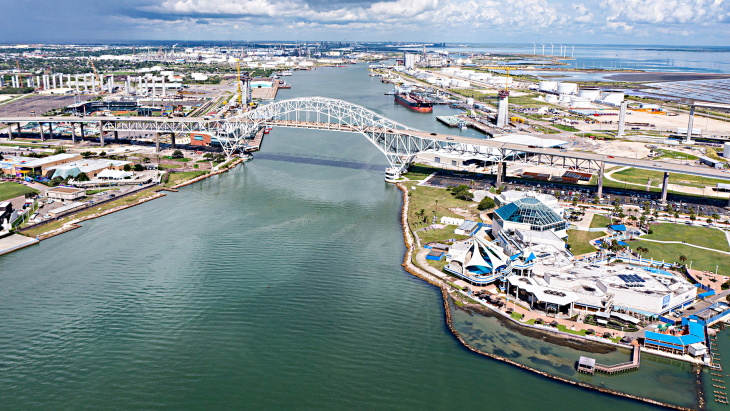
The Port of Corpus Christi in Texas has signed a memorandum of cooperation with the U.S. Department of Transportation's Maritime Administration to examine how small modular reactors, port microgrids, and advanced vessel propulsion systems could be applied to its operations. The agreement makes the Texas facility the second American seaport to formalize a partnership under the initiative MARAD started in May, following the Port of Long Beach in California, which signed in July. Corpus Christi is the largest petroleum export port in the United States.
Under the memorandum, the two parties will study opportunities to advance maritime energy systems, including possible integration of small modular reactor technology, resilient microgrids, shoreside power architecture, infrastructure capable of supporting emerging propulsion concepts, and related workforce development. Transportation Secretary Sean Duffy said the reactors carry potential to reshape the maritime sector, reduce shipping costs, and strengthen supply chains. Maritime Administrator Stephen Carmel described the agreement as recognition by the nation's leading energy port that the technology matters, and pointed to Gulf Coast supply chain resilience against extreme weather and grid disruptions.
Separately, the port signed a memorandum of collaboration with Core Power, a maritime nuclear specialist based in the United Kingdom, to study floating nuclear power plants and readiness for future calls by nuclear-powered commercial ships. That work will assess technical, environmental, regulatory, operational, and commercial requirements, covering marine conditions, water use, grid connection, candidate locations, permitting, and long-term service support. Core Power stressed the study is preliminary and selects no site, reactor technology, or vendor, and commits no investment.
Source: World Nuclear News - https://www.world-nuclear-news.org/articles/second-us-port-to-explore-nuclear-maritime-technologies