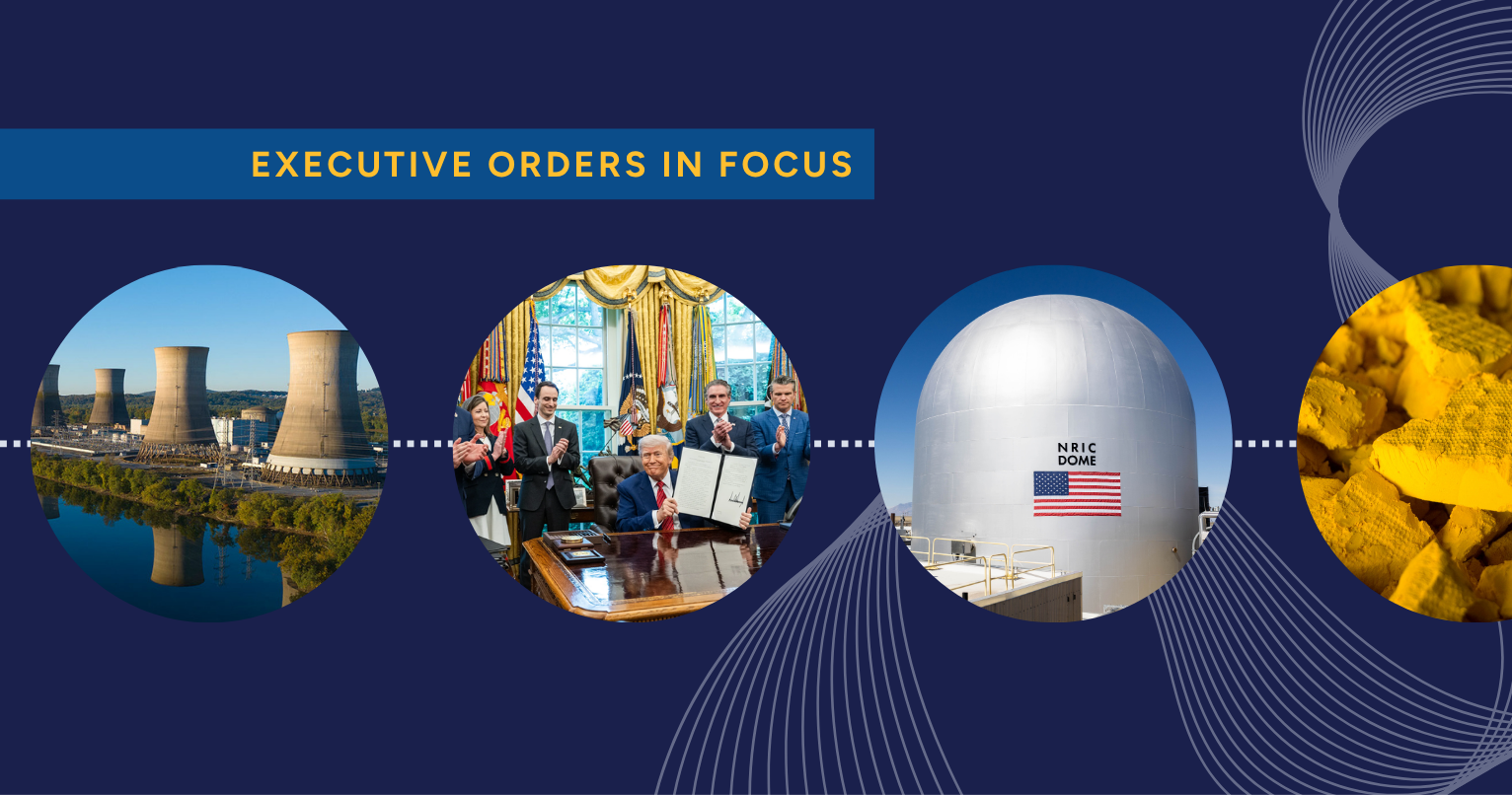
The US nuclear power sector is moving through a period of rapid change in 2026, with reactor restarts, new construction permits, and rising demand from large electricity users reshaping the industry. The country's 94 licensed power reactors currently generate close to 20 percent of national electricity.
A central development is the return of retired capacity. For the first time, the Nuclear Regulatory Commission approved the restart of a shuttered reactor, Holtec's Palisades plant in Michigan, which is scheduled to come back online during the year. Two more restarts are in the pipeline, with Constellation's Crane Clean Energy Center in Pennsylvania set to return in 2027 and Duane Arnold to follow in 2029.
Advanced reactor work is also advancing. Several projects supported by federal demonstration programs reached milestones, including TerraPower's Natrium fast reactor project in Wyoming, which received its construction permit in March 2026. Federal policy shifts and large private investment have combined to accelerate deployment, particularly for industrial and computing customers seeking firm power.
The Department of Energy has supported early deployment of advanced light water small modular reactors, selecting the Tennessee Valley Authority and Holtec Government Services for project teams eligible for up to a combined 800 million dollars in cost shared federal funding. The convergence of restarts, new builds, and demand growth marks a notable shift for an industry that had seen little expansion for years. Utilities and developers are now racing to add generation as electricity demand climbs across the grid.
Source: US Department of Energy - https://www.energy.gov/ne/articles/one-year-after-executive-orders-us-nuclear-energy-renaissance-full-swing