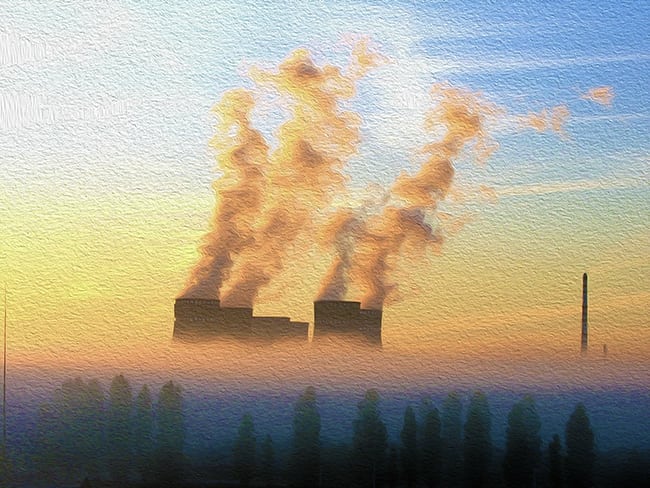
The U.S. nuclear power sector is adding capacity through a mix of license renewals, reactor restarts, and planned uprates as demand for reliable electricity climbs. As of March 2026, the country operated 96 commercial reactors at 57 plants across 28 states, generating close to 20% of the nation's electricity.
Regulators have cleared several moves to keep aging reactors running longer. The Nuclear Regulatory Commission approved a subsequent license renewal for Duke Energy's Robinson Nuclear Plant in South Carolina, allowing the 54-year-old reactor to operate through 2050, an additional 20 years beyond its prior expiration.
Restarts mark a notable shift. For the first time, the NRC approved restarting a shuttered reactor, Holtec's Palisades plant in Michigan, which is scheduled to return online later this year. Constellation's Crane Clean Energy Center in Pennsylvania is set to restart in 2027, reviving units once slated for permanent closure.
Federal officials are pushing to add capacity from the existing fleet. The Department of Energy unveiled an initiative to add 5 gigawatts of nuclear capacity through uprates and restarts. About 30 planned uprates are identified through 2030, including three applications in 2026, 16 in 2027, and eight in 2028, representing roughly 2.5 gigawatts of potential new capacity if all are approved.
The activity reflects renewed policy and market support for nuclear power as utilities face rising load from data centers and electrification. After years of plant closures, the sector is now focused on extending and expanding output from reactors already on the grid.
Source: Power Magazine - https://www.powermag.com/doe-unveils-initiative-to-add-5-gw-of-nuclear-capacity-through-uprates-and-restarts/