Local resistance to wind and solar projects is accelerating. A running tally maintained by energy analyst Robert Bryce shows 735 rejections of wind and solar installations across the United States since 2015, with 2024 producing the highest single-year total on record: 58 solar rejections and 35 wind rejections for a combined 93 actions by local governments, county boards, and community groups.
The numbers cover outright bans, moratoriums, and zoning ordinances that effectively block project development. Bryce has tracked the data through public records, local news coverage, and planning commission minutes across all 50 states.
The scale of organized opposition has surprised even longtime observers of energy policy. A 2023 survey by Lawrence Berkeley National Laboratory found that 49 percent of renewable energy developers strongly agreed that local opposition will increase over the coming years, and 68 percent said community pushback is a bigger obstacle today than it was five years ago.
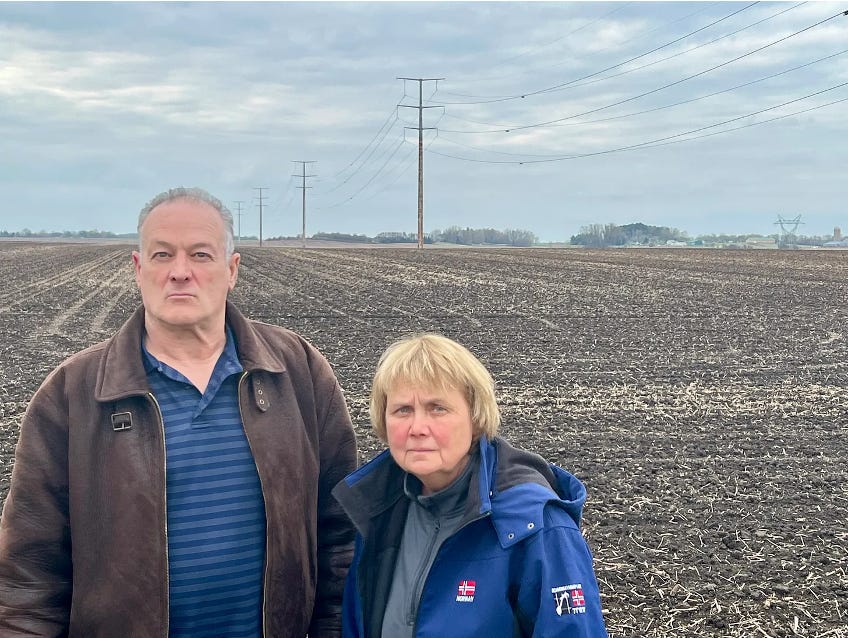
Several high-profile rejections illustrate why. Knox County, Nebraska voted 6 to 1 against a proposed solar installation. In Christiana, Wisconsin, a coalition organized by John Barnes and Roxann Engelstad is fighting the 300-megawatt Koshkonong Solar project, citing concerns about visual impact, agricultural land loss, and property values. The Idaho House of Representatives voted unanimously to oppose the Lava Ridge wind project in southern Idaho, one of the largest proposed wind installations in the western United States.
The property value question is generating significant attention. Multiple peer-reviewed studies have found that large wind and solar installations reduce the market value of nearby residential properties, giving local opponents a tangible financial argument alongside aesthetic and land-use concerns.
The pattern has spread internationally. Alberta, Canada implemented a mandatory 35-kilometer buffer zone for new wind projects after sustained opposition from agricultural communities. Researchers at Columbia University identified 395 distinct local restrictions targeting renewable development across 41 states, ranging from setback requirements to outright moratoriums.
Developers and renewable energy advocates argue that many proposed projects do get built and that opposition represents a vocal minority. The data shows the opposition concentrated in rural agricultural counties where large land parcels make wind and solar development economically attractive to landowners who sign lease agreements, while neighbors who do not benefit financially bear the visual and acoustic impacts. This structural conflict appears to be driving the upward trend in formal rejections. Bryce updates the tally regularly; the current count of 735 covers actions through mid-2024, and the 2024 annual total of 93 rejections exceeds any prior year in the dataset.