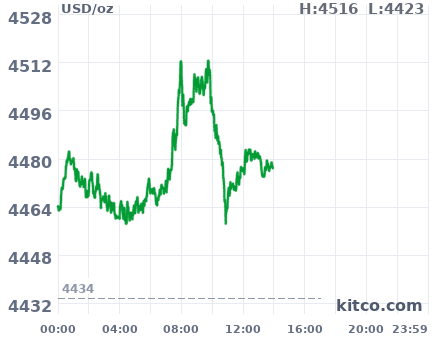
Silver closed at $77.54 per ounce on May 18, 2026, a level that would have been considered extreme by any prior-decade metric. The price reflects a structural imbalance: silver is entering its sixth consecutive year of supply deficit, with industrial demand growing faster than mining output can match.
Solar panel manufacturing is the primary driver of industrial silver demand growth. Each photovoltaic panel requires a fixed amount of silver paste for electrical conduction, and global solar installation targets have consistently exceeded projections. Silver demand from the solar sector has doubled in five years and is not expected to peak before 2030.
Investment demand for silver in bar and coin form has risen in parallel with gold investment demand, though silver smaller market size amplifies price moves. The gold-to-silver ratio, which historically averages around 65:1, has compressed as silver prices catch up to gold performance over the past 18 months.
Mining supply growth has been constrained by a decade of underinvestment in new primary silver projects. Most silver is produced as a byproduct of copper, lead, and zinc mining -- primary silver mines account for only a minority of global output. Increased byproduct silver recovery is providing some relief, but not enough to close the deficit.
Content marketing for investment firms covering silver requires addressing both the industrial demand story and the monetary store-of-value narrative -- audiences arrive with different mental models depending on whether they are industrial procurement professionals or individual investors. Content strategy that segments these audiences and builds separate information pathways consistently outperforms single-audience content in engagement and conversion metrics.